The ‘sweet spot’ for sleep exists, but research shows it’s not a one-time fits all.
Below we dive into how much sleep you actually need at every age, including the amount of sleep a child needs, the best bed and wake-up times, common sleep issues, and how to create sleep routines you and your family can stick to.
A Good Sleep Environment
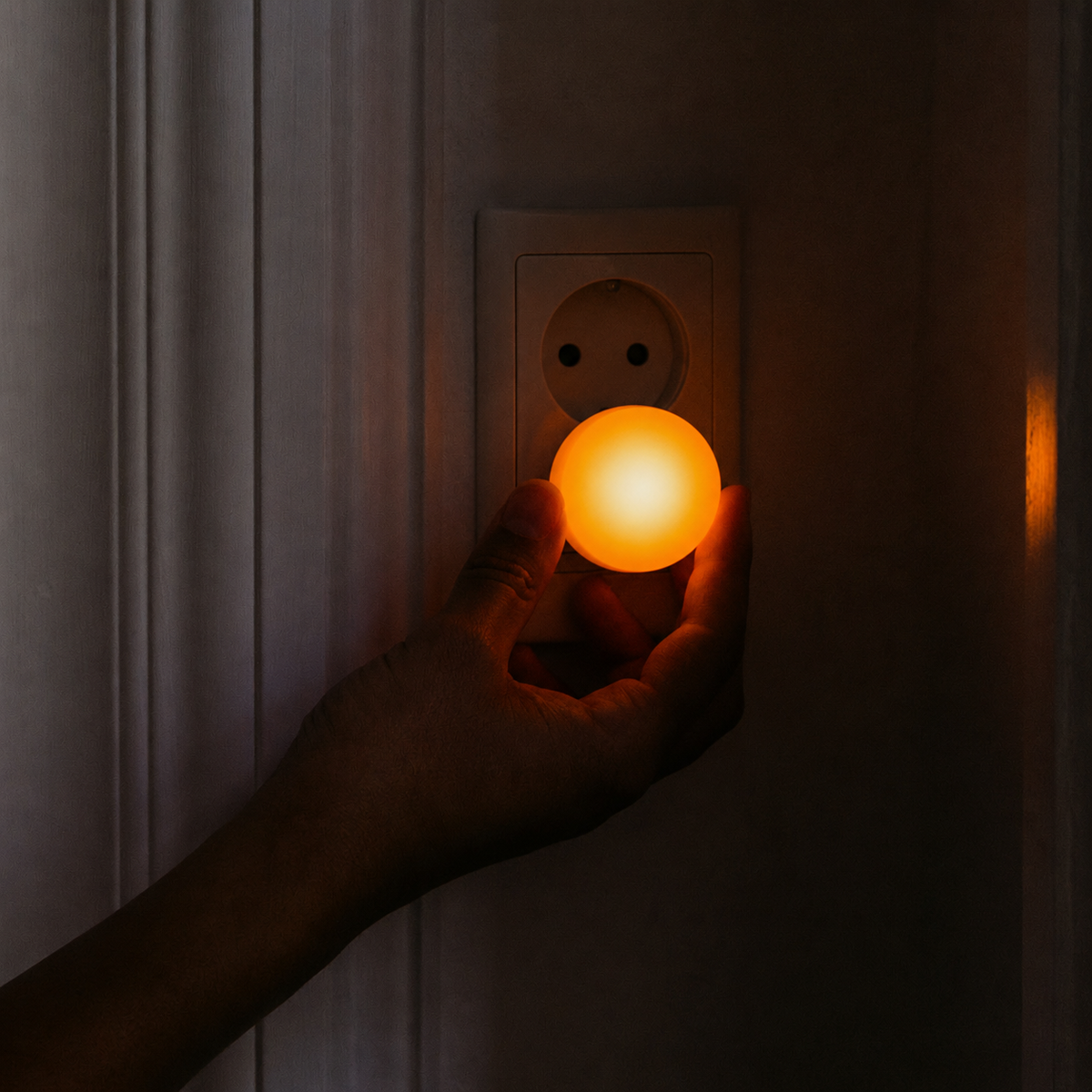
Reserve your bedroom for relaxation. Take note of the temperature, lighting, overall aura you feel when you walk into your bedroom. We suggest turning down the thermostat or keeping it cool with an open window. We suggest keeping it simple and minimize potential stressors. Research shows that the gradual disappearance of light like a sleep lamp can signal to your brain that it’s time to rest.
Below we dive into how much sleep you actually need at every age, including the amount of sleep a child needs, the best bed and wake-up times, common sleep issues, and how to create sleep routines you and your family can stick to.
How Much Sleep You Need
We each have individual needs, but how many hours of sleep do you need? The American Academy of Sleep Medicine (AASM) and Sleep Research Society (SRS) developed a consensus recommendation for the amount of sleep needed for optimal health using a modified RAND Appropriateness Method process. Adults (ages 18-60) should aim for seven or more hours per night with children requiring more to feel adequately rested. A variety of factors like genes, environment, and health conditions can also affect this figure.Recommendations by Age
Kids who get enough sleep every night show improved behavior, attention span, learning, memory, emotional regulation, and overall quality of life. Kids need more sleep than adults: about 12–16 hours for babies, 10–13 for preschoolers, 9–12 for school-age kids and 8–10 for teens, according to the American Academy of Sleep Medicine. See the full breakdown in How Much Sleep Do Kids Need? Achieving sleep goals specifically with children can be challenging, but studies show that kids who do establish good sleep habits early greatly benefit emotionally and behaviorally later in life.Setting a Bedtime
When you train your body to wind down and wake up at the same time every day you can start to reap the benefits of better sleep. The best way to do this is by determining a bedtime. Based on the targeted hours of sleep for your age, work backward from your wake-up time. Here are some general target bedtimes:| Age | Sleep needed | Wake at 6:30 a.m. → bedtime | Wake at 7:30 a.m. → bedtime |
|---|---|---|---|
| Toddlers (1–2 years), plus a nap | 11–14 h | 7:00–8:00 p.m. | 7:30–8:30 p.m. |
| Preschoolers (3–5 years) | 10–13 h | 7:00–8:00 p.m. | 7:30–8:30 p.m. |
| School age (6–12 years) | 9–12 h | 7:30–8:30 p.m. | 8:00–9:00 p.m. |
| Teens (13–18 years) | 8–10 h | 9:00–10:00 p.m. | 9:30–10:30 p.m. |
Babies under 1: put them down drowsy but awake, when they show sleepy cues, usually between 7:00 and 8:00 p.m.
To find your child’s bedtime, count back their hours from wake-up, then add 15–20 minutes to fall asleep.
We suggest opting for a sleep clock instead of a phone and leaving distracting devices outside the bedroom.Difficulties Meeting Bedtime
Sticking to bedtime isn’t always easy. Life can be unpredictable and throw us out of our routines. If you or your child has trouble sticking to a time or falling and staying asleep, you’re not alone. Insomnia and other bedtime struggles are very common so identifying and treating them early can make a big difference.Insomnia in Children
According to the American Academy of Sleep Medicine, there are a few different types of behavioral insomnia in children.
One is limit-setting: Bedtime stalling or refusal to go to bed.
Another is mixed type: A combination of sleep-onset and bedtime resistance.
There are a few different solutions depending on what type of insomnia your child is experiencing.
Limit-setting Insomnia in Children
Limit-setting insomnia occurs when a child doesn’t have a set bedtime or are able to set their own demands. Here are some strategies for resetting bedtime.- Keep bedtime consistent
- Avoid negotiations or demands before bedtime
- Wind-down with a screen-free activity 30 minutes before bed
Tips and Tricks
Taking the time to set yourself and your kids up for a night of rest is more than possible with a little preparation. These are our favorite bedtime essentials and tips for tucking in.A Good Sleep Environment
Reserve your bedroom for relaxation. Take note of the temperature, lighting, overall aura you feel when you walk into your bedroom. We suggest turning down the thermostat or keeping it cool with an open window. We suggest keeping it simple and minimize potential stressors. Research shows that the gradual disappearance of light like a sleep lamp can signal to your brain that it’s time to rest.