Establishing healthy sleep habits is vital for our overall physical and mental health at every age. So while we tend to burn the candle at both ends as adults, we can take steps to prevent our kids from learning by our example.
The amount of sleep a child needs varies considerably as they get older. Research shows that one-third of kids and teens experience sleep problems. These issues have been linked to mental and behavioral issues, poor attention, and a higher risk for diseases like type two diabetes and obesity.
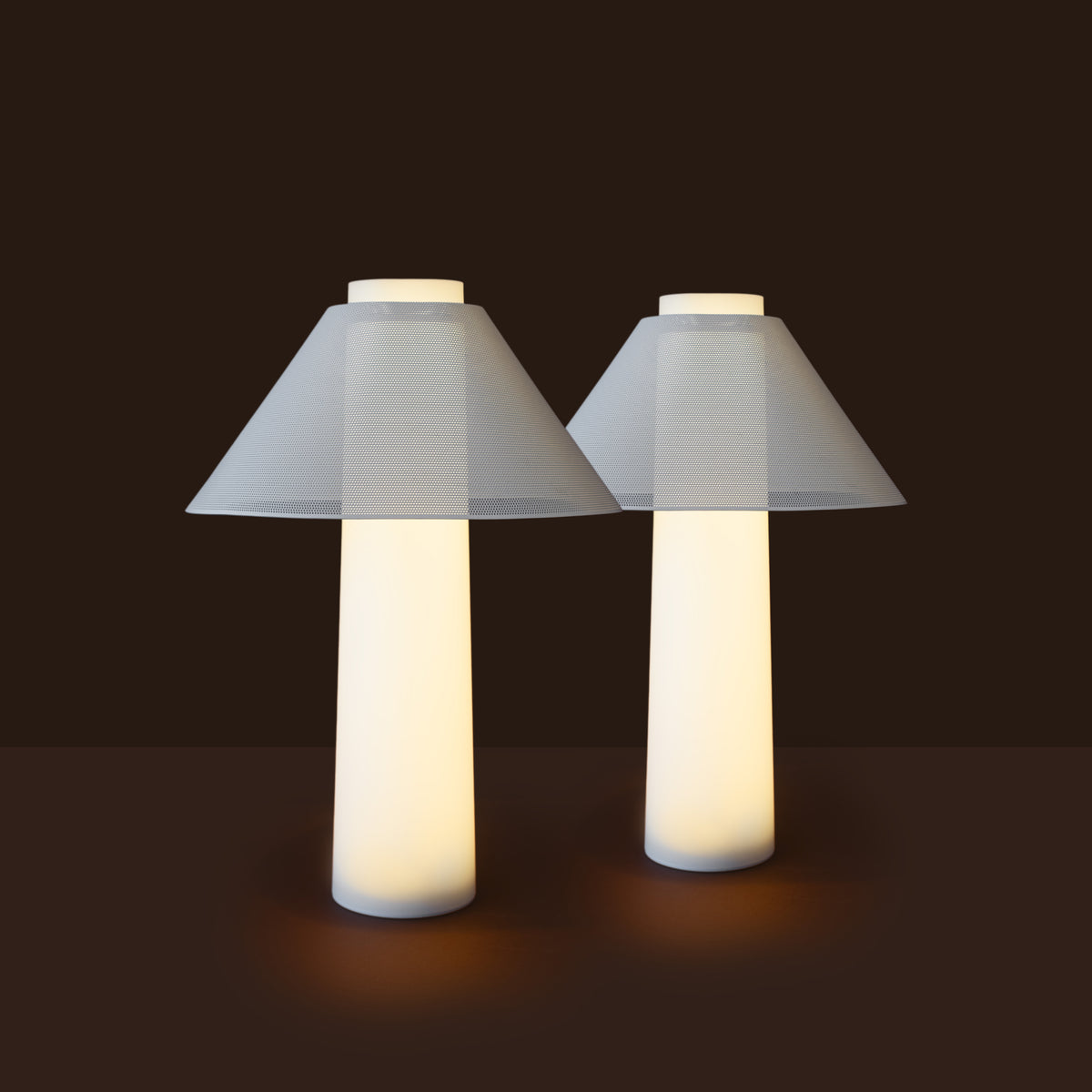
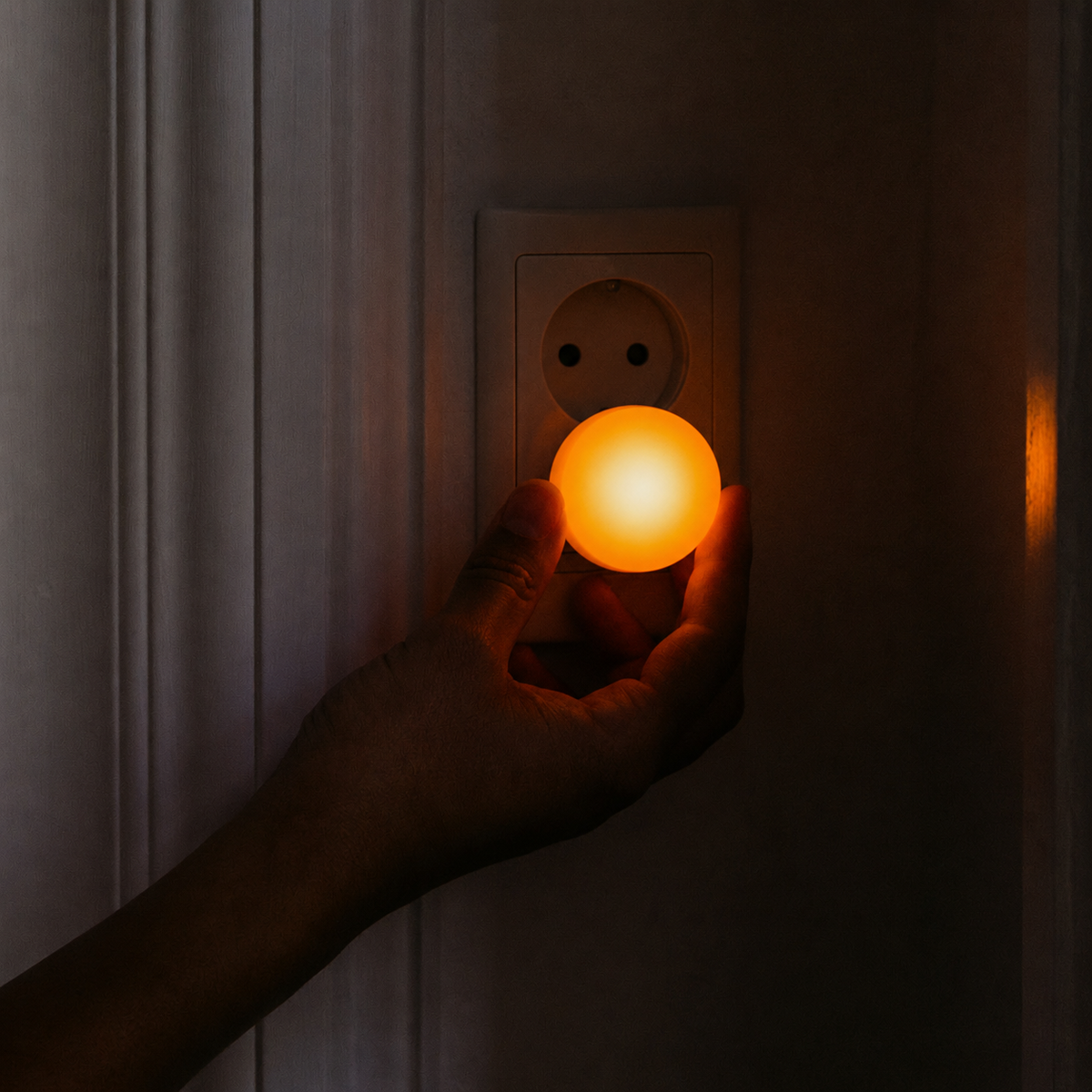
As a parent, there are many ways you can set your child up for their best, sleep hygiene being one of them. We suggest helping them create a cozy bedroom, limiting their screen time, and adding things to their bedroom that promote winding down like a sleep clock with soothing soundscapes and a sleep lamp that mimics gradual, natural light.
How Many Hours of Sleep is Needed?
How many hours of sleep do kids need? Research has proven that the amount of sleep varies in the developmental phases. The American Academy of Sleep Medicine (AASM), endorsed by the American Academy of Pediatrics, recommends the following per 24 hours, including naps. There’s no official target for newborns, but most sleep 14–17 hours a day.
| Age | Sleep per 24 hours |
|---|---|
| Newborns (0–3 months) | 14–17 hours (typical; no official target) |
| Infants (4–12 months) | 12–16 hours, including naps |
| Toddlers (1–2 years) | 11–14 hours, including naps |
| Preschoolers (3–5 years) | 10–13 hours, including naps |
| School age (6–12 years) | 9–12 hours |
| Teens (13–18 years) | 8–10 hours |
Below we explain how these break down for each age group over the course of the day.
Why Do Babies Sleep So Much?
Unlike teens and adults, babies typically self-regulate their sleep. Newborn babies begin developing their circadian rhythm in the weeks following birth which is why they require more sleep than any other age group. Napping has been shown to boost memory recall and evidence suggests that babies who get adequate sleep are better equipped to learn additional languages.
According to research, these sleep patterns have been observed to be optimal in a baby’s first year.
10-12 weeks:
17 hours of sleep/day
16 weeks:
14-15 hours of sleep/day
6 months:
13-14 hours of sleep/day
12 months:
Shift into mostly nocturnal sleeping habits
When Do Babies Start Sleeping Through the Night?
If you’re a new to soon-to-be parent, you’re probably wondering when your baby (and you) will start to sleep through the night. In the first 6 months, a baby’s sleep-wake cycle shifts from being hunger-driven to a circadian cycle. By 9 months, a baby can typically sleep for about 8-10 hours without feeding.
How Much Sleep Do Premature Babies Need?
Depending how early an infant is born before their due date, they typically require more sleep than infants born at full term. Though premature babies have less difficulty falling asleep, they sleep in shorter intervals and greatly benefit from naps throughout the day.
What to Do If Your Baby Isn’t Sleeping Enough
Sleep is obviously vital for a baby's physical and cognitive development, but studies also show it can improve their emotional health. Babies with secure emotional attachments tend to sleep better as infants.
Most babies are able to sleep 6-8 hours at a time with supplemental naps ranging from 30 minutes to two hours at four months of age. They gradually increase to 10-12 hours at a time around 6-9 months. It’s very common for babies to have difficulty getting a full 14-17 hours but it’s advised to talk with your pediatrician if this continues.
One tip for helping a baby learn to fall asleep on their own is putting them to bed when they show signs of sleepiness (crying, fussing, or rubbing their eyes) rather than waiting until they are already asleep.
What Is the Safest Sleep Environment for Babies and Infants?
Babies are at highest risk for sudden infant death syndrome (SIDS) in their first year of life. Taking healthy precautions to create a safe sleep environment can allow you and your baby to rest easily.
Three safe-sleep basics:
- Back to sleep, every sleep: Place your baby on their back for every nap and every night until their first birthday. Babies who sleep on their backs have a lower risk of SIDS than babies who sleep on their stomach or side. Healthy babies don’t choke more on their backs, because their airway anatomy protects them.
- No frills are necessary in the crib: A firm and flat crib mattress is best. Aside from a fitted sheet, it’s advised to keep the crib free of blankets, pillows, other bedding, and toys.
- Share a room, not a bed: Keep your baby’s crib or bassinet in your room, next to your bed, for at least the first 6 months. Sharing an adult bed, couch or armchair with a baby raises the risk of sleep-related deaths, especially under 4 months.
How Much Sleep Do Toddlers and Older Children Need?
Sleep is vital at every age, so establishing good sleep hygiene early is extremely beneficial. Toddlers and older children require less sleep than babies but still need an ample amount for physical, cognitive, and emotional development.
Toddlers (1 to 2 Years)
How much sleep does a toddler need? At 1-2 years of age, 11-14 hours total per day is ideal. This can be roughly broken up as 11 hours at night and 2-3 hours of napping. Active toddlers might have difficulty winding down or even crawl out of their crib to snuggle in with you. If they end up in your bed, gently walk them back to their own. A consistent routine makes it easier, and our guide to getting kids to sleep in their own bed can help.
Preschoolers (3 to 5 Years)
How much sleep does a preschooler need? This really depends on whether or not they are continuing to receive naps, but overall, ages 3-5 begin to get a majority of their daily sleep (10–13 hours) at night. This is also a great age to introduce healthy sleep hygiene like brushing teeth, reducing screen time, and sticking to a consistent bedtime. One study found each hour of screen time was linked to later bedtimes and less overall sleep for children between the ages of 2 and 5.
School-Age Children (6 to 12 Years)
How much sleep does a child in elementary school need? At 6 to 12 years of age, the ideal amount of sleep each night is 9 - 12 hours. This also coincides with the beginning of puberty which typically occurs around age 10 for girls and age 12 for boys. Most if not all of their sleep is accounted for at night but studies have shown that napping can be beneficial for this age as early stages of puberty can cause disruptions and poor quality sleep.
Teenagers (13 to 18 years)
How much sleep does a teenager need? Ideally, ages 13 to 18 should be aiming to get 8-10 hours of sleep per night, but we know from surveys (and probably experience) that one in five teens get less than seven hours per night.
Finding ways to support your teen with their sleep goes beyond negotiating regular bedtimes. You may already know rules aren’t often received with enthusiasm by teens. However, a bedroom transformation might make bedtime more appealing.
Whatever their age, the basics are the same: a consistent bedtime, a dark, cool room, and no screens in the last hour. For bedtimes by age, see What Time Should Kids Go to Sleep?
Sources: Sleep Foundation summary of AASM/AAP guidelines · NIH Safe to Sleep