Two of the most important factors for our sleep are light and temperature. Obviously we can’t always create our ideal sleep environment, some factors are out of our control. But there are small things we can add or remove to make our bedrooms more conducive to feeling relaxed and ready for bed. When it comes to lighting, we hear a lot about avoiding blue light before bed but what color light helps you sleep? Here are some of the best colors to keep in mind for bedtime.
In a Harvard study, 6.5 hours of blue light held back melatonin for about twice as long as green light, and shifted body clocks twice as far (3 hours vs. 1.5 hours). Green light is gentler than blue but still not ideal before bed. That’s another reason to switch to red or amber in the evening.
Relaxing lighting can improve your natural melatonin production, muscle relaxation, help you feel more alert when you wake up, and much more. Not every “warm” bulb is equal. Look for a color temperature of 2,700K or lower on the box, or a lamp with a dedicated red or amber setting, and keep it dim. Brightness matters as much as color.
Short answer: dim red or amber light is best for sleep, and blue light is worst. Your body’s sleep hormone, melatonin, is most sensitive to blue light, and much less sensitive to warm, long-wavelength colors like red and amber.
How Light Affects Sleep
Light is the strongest signal your internal clock gets. In daylight, your brain holds back melatonin, the hormone that makes you sleepy. As it gets dark, melatonin rises and your body gets ready for rest. Bright light in the evening, especially from screens and cool-white bulbs, tells your brain it’s still daytime, which can push sleep later and make it lighter. That’s why the color and brightness of your evening light matter.Best Light Colors For Sleep
For some, it’s the absence of light that makes the difference at bedtime but if you have a partner that prefers some light, or if your current routine isn’t working, lighting could be a solution. Light is very tied to our circadian rhythm, the natural process we all experience every 24 hours. Our circadian rhythm signals to our brain when to produce certain hormones that tell us it's time to wake up and go to sleep. Centuries ago, our circadian rhythm followed the sun, but because so many of us spend our days staring at a computer our body isn’t getting the proper signal. Here’s how you can use light to get back on track.Red Light
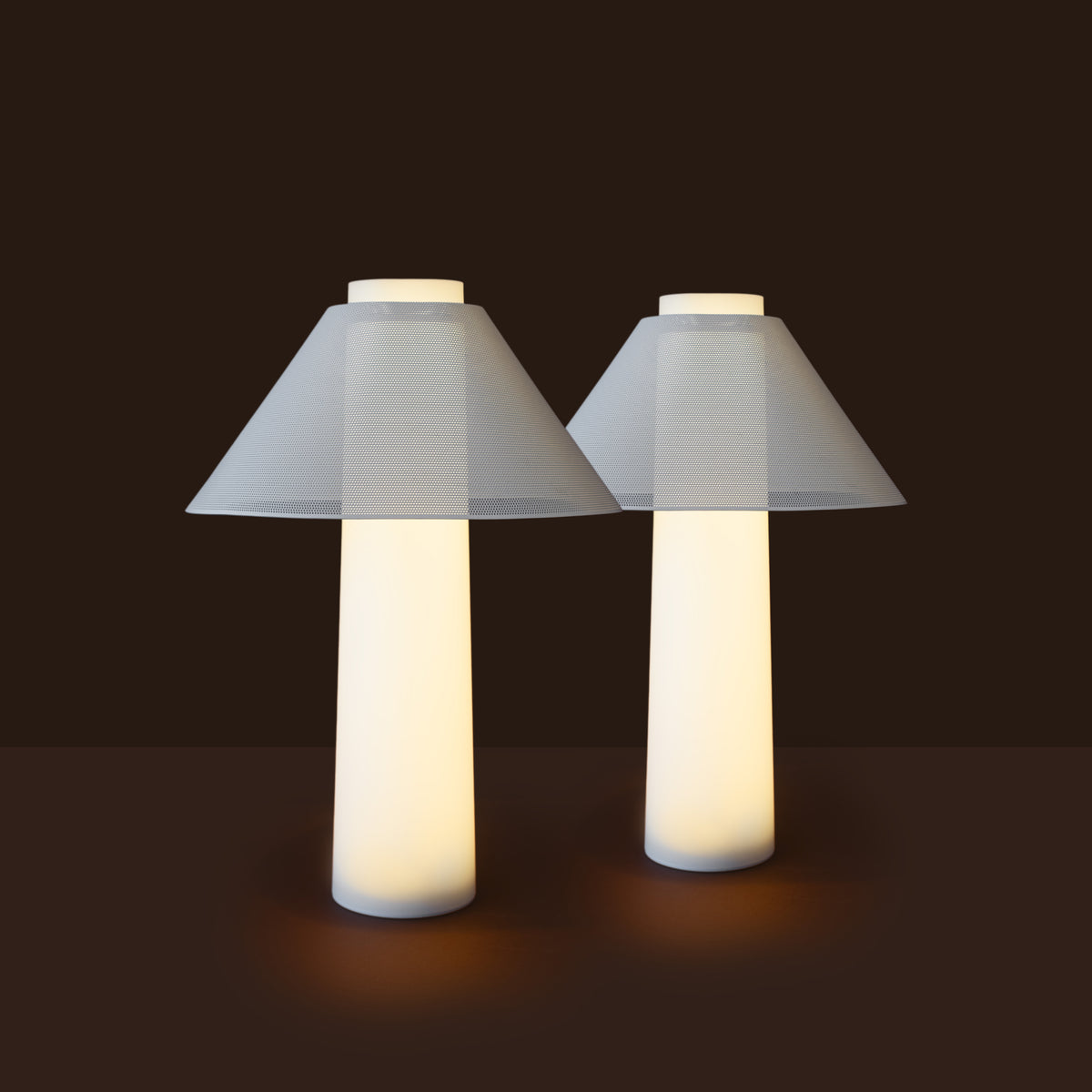
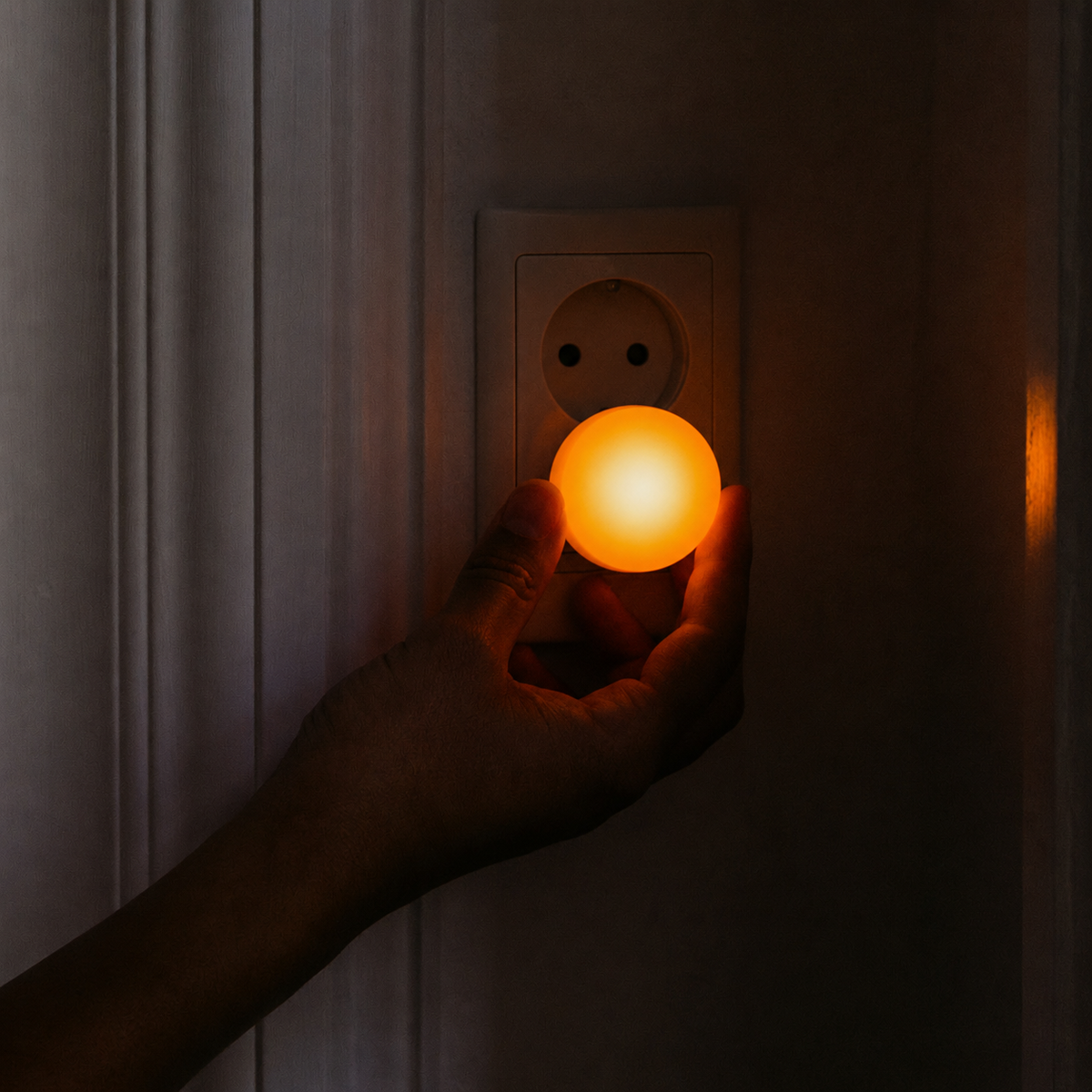
Red light is the least likely to shift your body clock or hold back melatonin, which is why Harvard Health recommends dim red lights as night lights. Early research is encouraging too: a small 2012 study of 20 female basketball players found that 30 minutes of red light therapy each evening for 14 days improved sleep quality and melatonin levels. Keep in mind it’s one small study, and a red-tinted bulb isn’t the same as a light designed for evenings. The Loftie Lamp lets you set a warm red or amber glow that dims gradually before bed.Yellow Light
Amber or yellow light has a quality similar to candle light which can be very calming. Like red, amber sits at the warm end of the spectrum, so it has far less effect on melatonin than blue or cool-white light. That makes it a better choice than bright overhead lighting if you’re wondering what color light makes you sleepy. Amber or yellow light is a great alternative for bedroom lighting if red light is too distracting or you want to try something other than standard LED.Worst Colors to Light up a Room for Sleep
Blue light as we know is nearly impossible to escape. It’s in our phones, laptops, tv screens, and most fluorescent lighting. Constant exposure has a significant impact on our sleep because it’s highly stimulating. Limiting or eliminating it entirely before bed is the best way to improve your sleep.In a Harvard study, 6.5 hours of blue light held back melatonin for about twice as long as green light, and shifted body clocks twice as far (3 hours vs. 1.5 hours). Green light is gentler than blue but still not ideal before bed. That’s another reason to switch to red or amber in the evening.
Ways to Manage Blue Light
The easiest way to eliminate your exposure to blue light is by removing screens from the bedroom and avoiding bright screens for 2–3 hours before bed. If this is just not possible, you can try blue light-blocking sticker dots or switch your screen setting to night or dark mode which will change your background from light to dark. Another option we obviously love is the Loftie Lamp because it gradually brightens with soft natural light in the morning then dims during the evening. This signals to your brain and body that it’s time to go to bed.Benefits of Using Calming Colors for Sleep
If you’ve struggled with sleep then you understand just how detrimental it can be to your mood, relationships, and overall well being. Adequate sleep is so important and there are many factors that are out of our control which is why adjusting your lighting and temperature can be so helpful.Relaxing lighting can improve your natural melatonin production, muscle relaxation, help you feel more alert when you wake up, and much more. Not every “warm” bulb is equal. Look for a color temperature of 2,700K or lower on the box, or a lamp with a dedicated red or amber setting, and keep it dim. Brightness matters as much as color.
Other Factors to Consider for Better Sleep
In addition to choosing the best lights for sleeping, a nighttime routine can also improve your sleep. We suggest you pick a sleep and wake up time and stick to it (even on weekends). Our internal clock needs time to develop a new routine so it’s best to incorporate stretching, non-caffeinated tea, or even a puzzle. Another way to make the transition easier is with the Loftie Clock, a two-phase alarm that mimics your body’s natural waking process. It wakes you up gradually, rather than jerking your brain out of sleep.
Loftie Lamp
A light that brings you healthier sleep and happier mornings.
Translation missing: en.upsell_product.general.sale_price$279.99